
I’m often asked for the best crochet projects for beginners, and my answer is always the same: start small. Your first projects should build confidence without overwhelming you — and they should actually turn into something you’ll use.
You don’t need a big stash of yarn or a drawer full of hooks to get started on your crochet journey. A few basic stitches, one hook, and one skein of yarn are all it takes to make something real.
Core Techniques to Learn First
Before diving into a project, get comfortable with two foundational stitches:
- Single crochet (sc): short, dense, and forgiving, great for dishcloths and hot pads.
- Double crochet (dc): taller and faster to work up, ideal for scarves and blankets.
- Half Double crochet (hdc): right in between the height of a single crochet and double crochet, it is also ideal for scarves and blankets.
Once you can chain, work these three stitches, and count your rows, you’re ready to make almost any of the free patterns on this list.
Best Crochet Projects for Beginners (Worked Flat)
Flat projects are the easiest place to start because you can see your stitches clearly, correct mistakes early, and practice keeping your edges straight, which is one of the trickiest skills for most new crocheters.
Crochet Washcloths & Dishcloths for Beginners
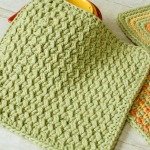
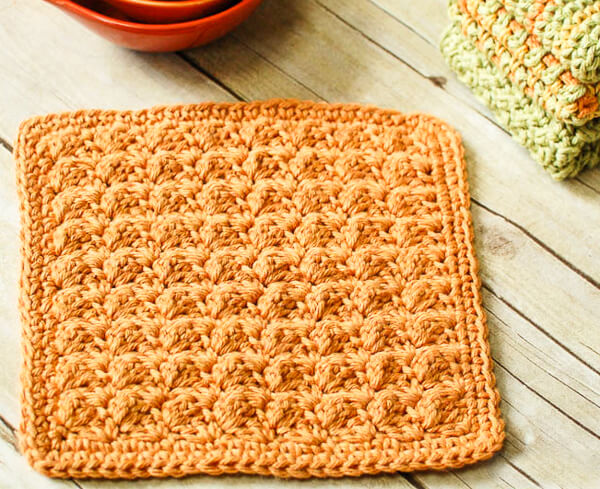
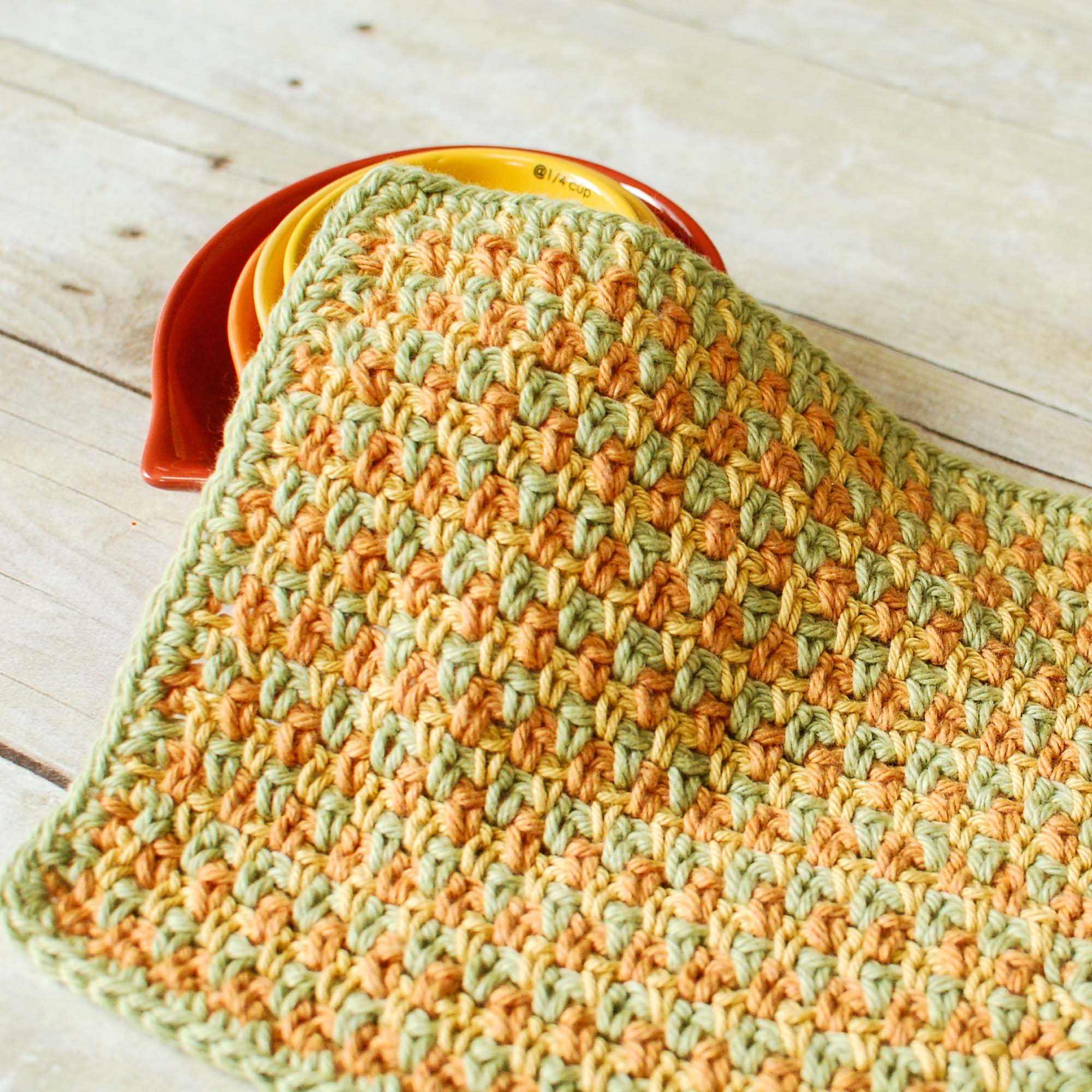
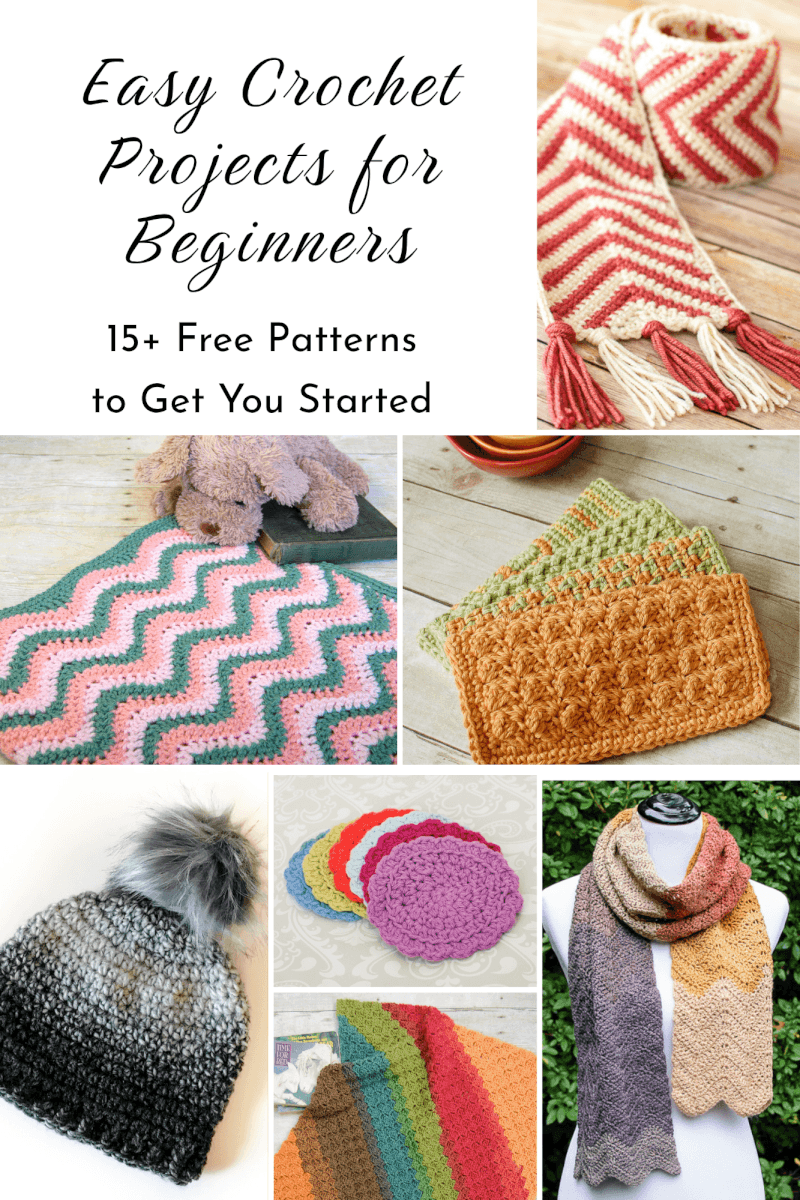
Flat squares work up fast and teach you how to keep your edges straight, row after row. Use a smooth cotton yarn so the finished cloth is sturdy and absorbent. Dishcloths are the first project I teach in my classes. They’re small enough to finish in an evening, so you have a sense of accomplishment while building skills. Pair a finished washcloth or dishcloth with a bar of soap, and you’ve also got a simple, handmade gift. I have highlighted a few of my favorite beginner dishcloth patterns below. Just click the photo to go directly to the pattern, or you can check out all my free dishcloth patterns.
Hot Pads or Trivets
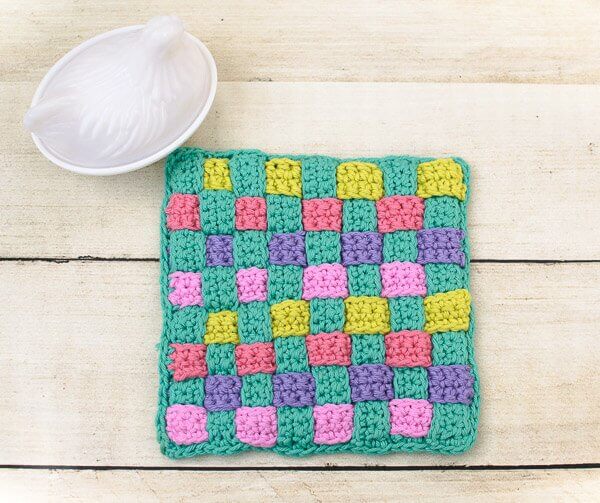
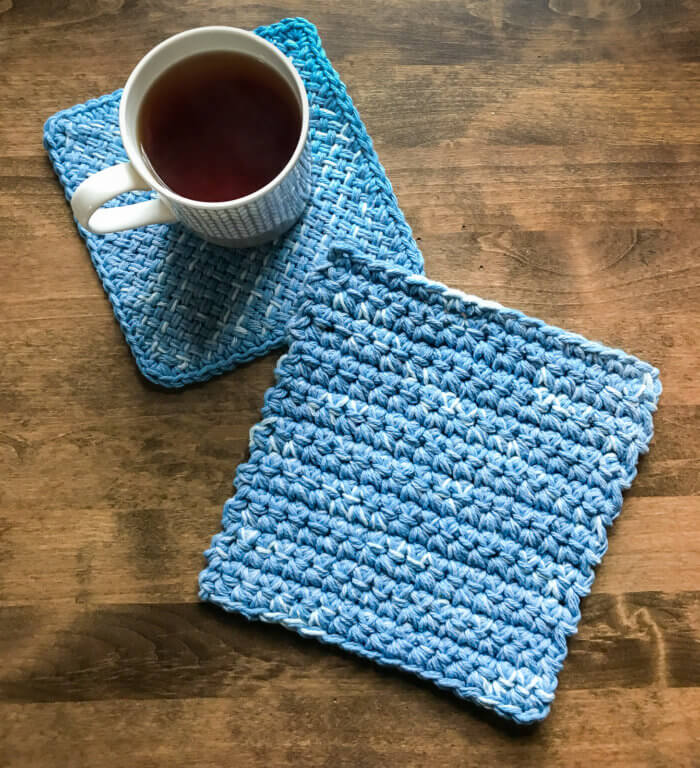
Similar to a dishcloth but worked up with thicker, chunky yarn or by holding two strands of medium-weight yarn doubled, hot pads let you practice consistent tension since gaps or loose stitches are easy to spot. They also make great gifts once you’re comfortable with the basics.
Basic Crochet Scarves Patterns for Beginners
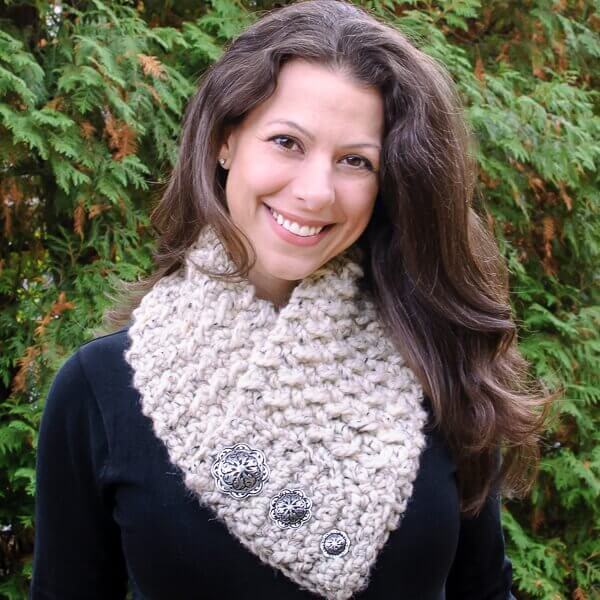
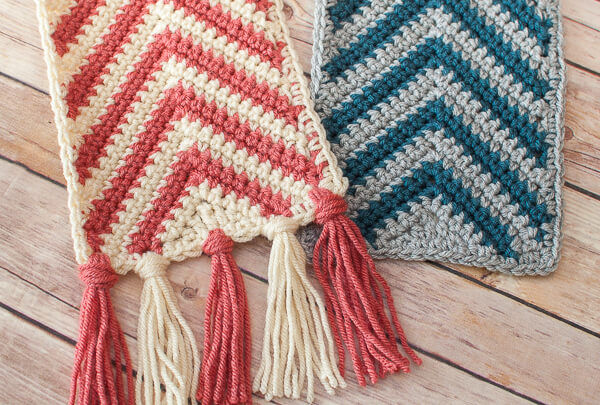
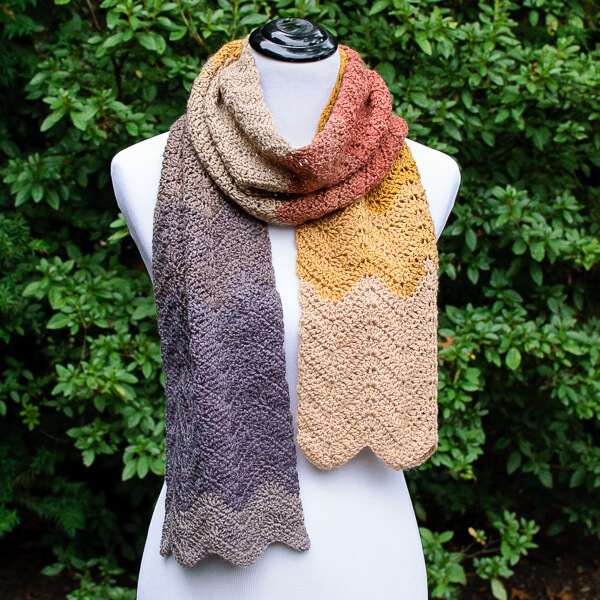
Another easy crochet project for beginners is scarves. Scarves are perfect for when you’re ready for a slightly larger project and for practicing half-double and double crochet stitches, changing colors, or easy stitch combinations like the Textured Scarf shown in the first photo below. They are also great for introducing increases and decreases, like the ripple pattern shown in the next two photos. Pro tip: Use a self-striping yarn for effortless color changes, as I did in the last scarf pattern below. Click on one of the beginner scarf patterns below to get started or browse even more of my free scarf patterns.
Baby Blankets
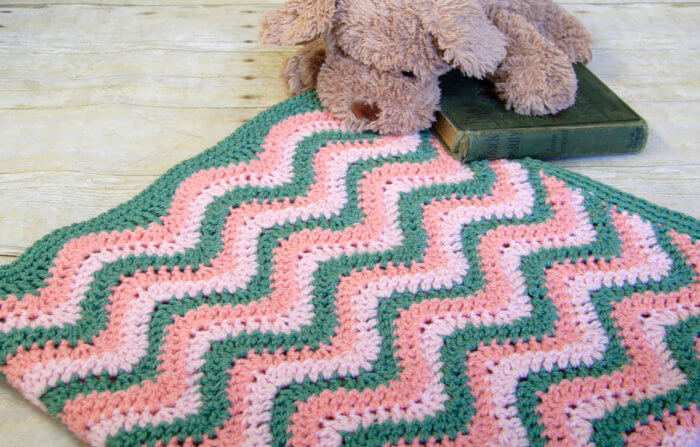
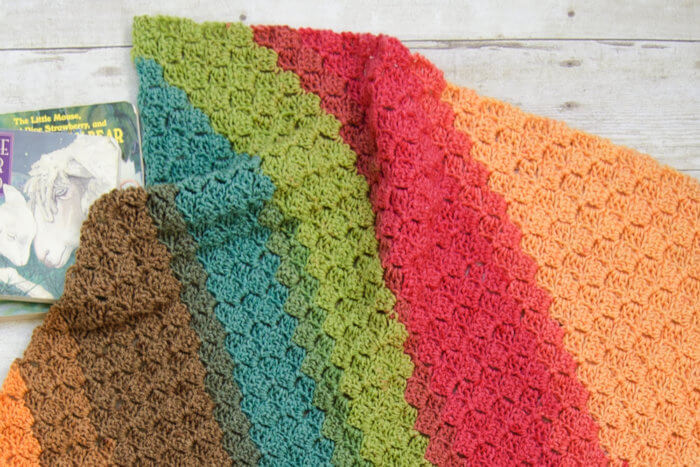
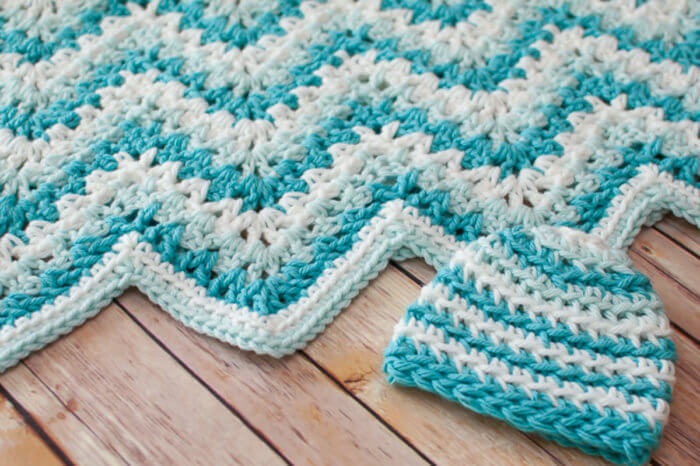
A step up in size, but still worked flat with basic stitches. Baby blankets are a great next step. And who doesn’t love receiving a handmade baby blanket! Check out the baby blankets below or find all my free blanket patterns.
Crochet in the Round: The Next Step For Projects for Beginners
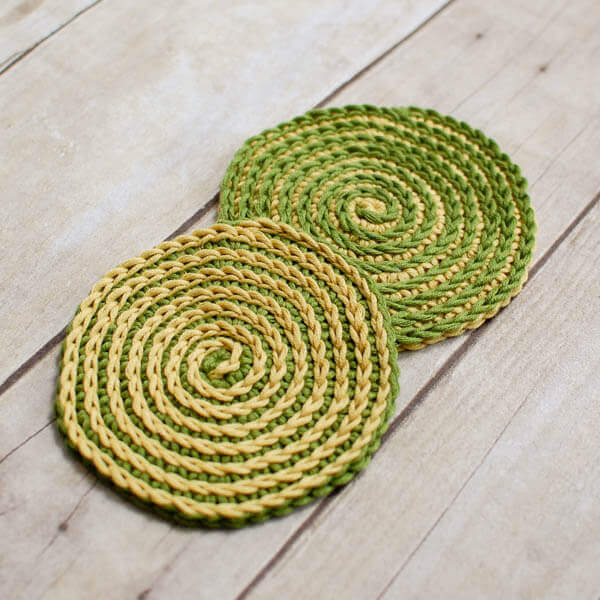
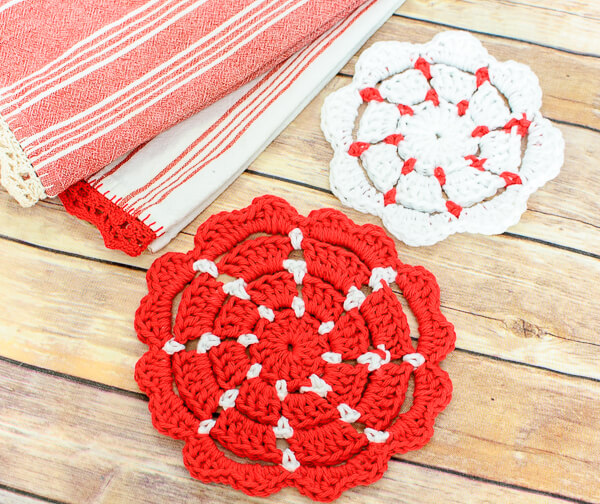
Once increasing stitches in rows feels comfortable, crochet in the round is the natural next skill to learn. Instead of turning at the end of each row, you’ll work in a continuous circle — which helps you master concepts like keeping track of rounds and increasing. Again, quick projects like coasters and hats are the way to go to get started.
Coasters
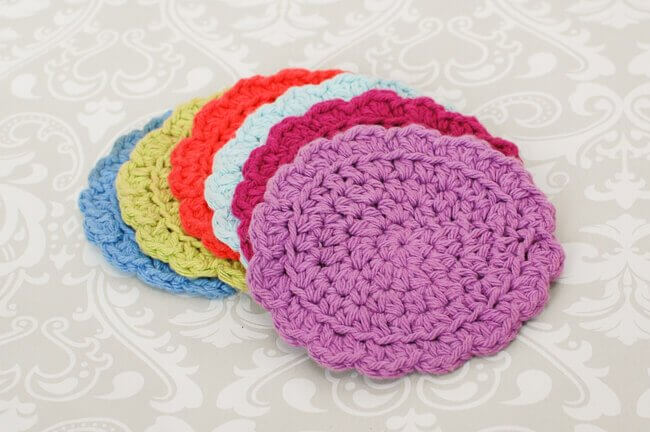
A coaster uses very little yarn and takes just less than an hour, making it one of the quickest crochet projects. It is also an easy way to learn how to crochet in a circle. Keep increasing in pattern, and you even have a hot pad or trivet!
Hats & Beanies
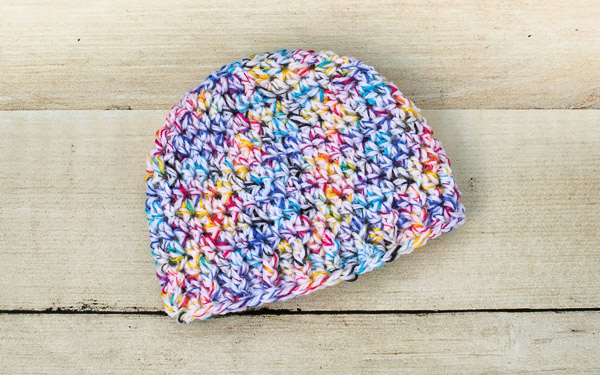
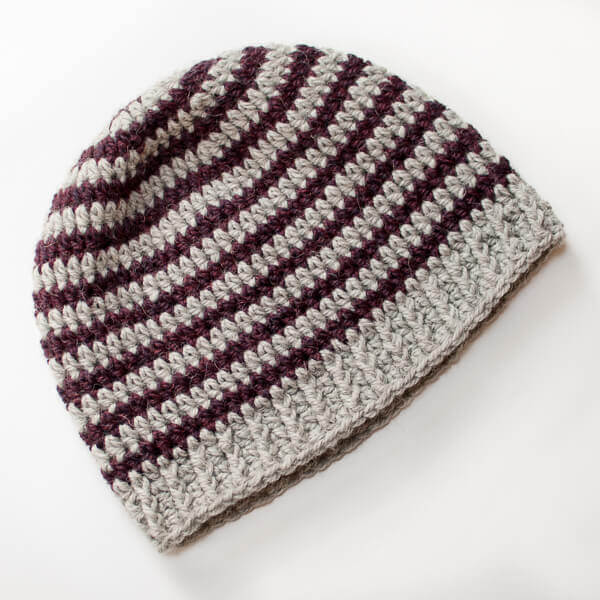
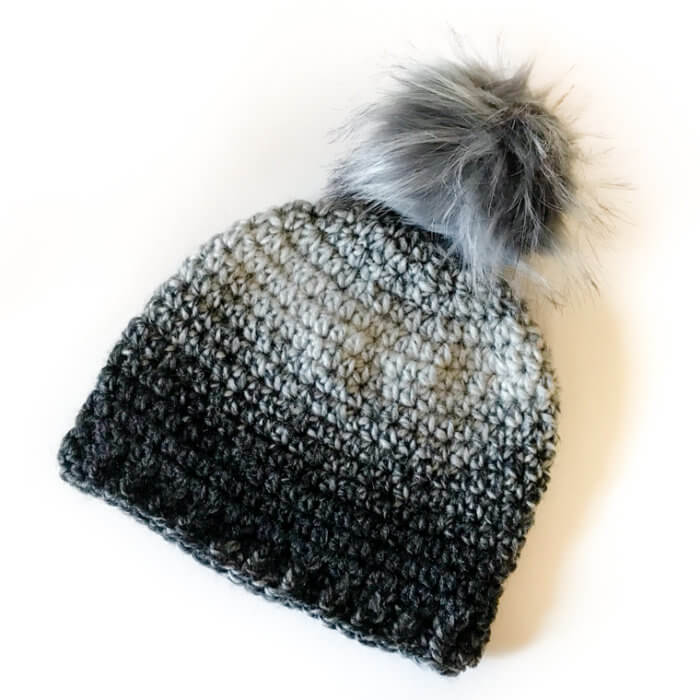
Once working in the round feels natural, hats are a great next project. Hats build on the same simple in-the-round pattern as coasters, with just a few more rounds and some increases or decreases to shape the crown. You can even add a pom pom to a basic beanie pattern for some extra pizazz. Here is a Hat Size Chart so you can customize a simple pattern into any size, from preemie through adult.
Tips & Tricks for Success
Choose the right yarn. Pick a light-colored, smooth, medium-weight (size 4/worsted) yarn so you can easily see your individual stitches. Avoid fuzzy, textured, or dark yarns until you’re comfortable, as they hide your stitches and make it harder to catch mistakes.
Use the correct hook. Check your yarn label for the recommended hook size, often an H/8 (5 mm) crochet hook for worsted weight yarn. Using the suggested size keeps your tension manageable while you’re still learning.
Choose the correct pattern. Not all beginner crochet patterns are created equal. Look for patterns labeled “easy” or “beginner-friendly” that use only basic stitches and include row-by-row written instructions (not just charts or diagrams). A good beginner crochet pattern will also tell you the finished size, so you can confirm you’re on track as you go.
Count your stitches. The biggest mistake beginners make is losing or adding stitches at the end of a row. Count your stitches at the end of every row until it becomes a habit — it takes a few extra seconds and saves you from unraveling an hour of work later.
Common Beginner Crochet Project Mistakes (and Quick Fixes)
- Edges that curve or ruffle inward usually mean stitches are being added or lost. Recount your stitches at the end of each row.
- A wonky, uneven first stitch: This is one of the most common beginner issues. Try marking your starting stitch with a stitch marker or small safety pin so you don’t miss it.
- Tension too tight or too loose: If your hook is hard to insert into stitches, your tension is likely too tight — try holding the yarn more loosely. If your fabric looks loose and holey, tighten your grip slightly.
- Losing your place mid-row: Use a stitch marker at the start of each row until counting becomes second nature.
Ready for a Bigger Project?
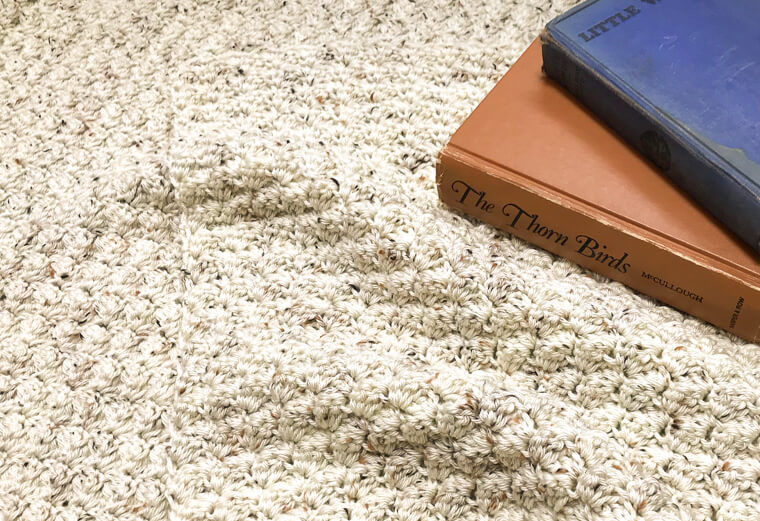
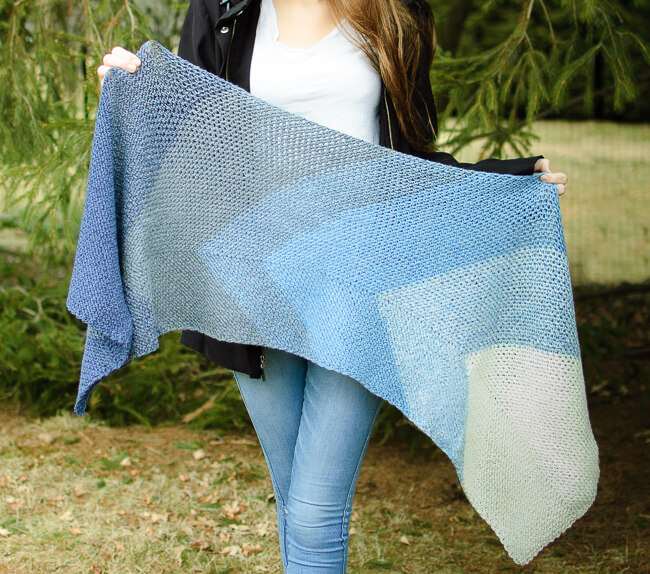
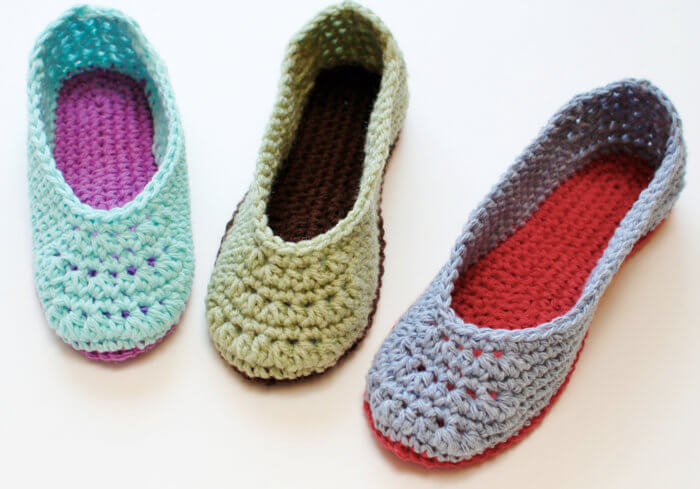
Once you’re comfortable with some of these easier beginner crochet projects, you might be ready to stretch your skills with something a little bigger. Shawls and full-size blankets use the same basic stitches you’ve already practiced, just repeated over a larger piece — a great way to build patience and see real progress as you go. The patterns below are a great place to start. Click on the one you’d like to try or see all my free crochet patterns.
Some Final Encouragement
It’s normal for first projects to feel awkward or look a little lopsided. Don’t be discouraged. Pick one small beginner crochet project, focus on consistent stitches rather than speed, and give yourself grace. Before long, you’ll be ready to move on to more advanced crochet projects.
Find Crochet Help in Community
Visit the Petals to Picots Community to chat about patterns, share your latest projects, find more beginner crochet projects, and get advice from your fellow crocheters.
You may also like …

Leave a Reply