
After spending time creating something special, it’s worth taking a few extra steps to keep it looking its best. Proper care can help your hand-knitted and crocheted items last for years, whether they’re everyday favorites, handmade gifts, or treasured heirlooms.
One of the best things you can do is save the care instructions from your yarn labels. I also recommend keeping a small, labeled ball of leftover yarn from each project. That way, you’ll have matching yarn available if you ever need to repair a pulled stitch or mend a small hole.
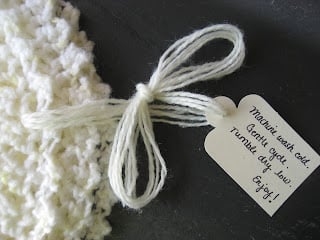
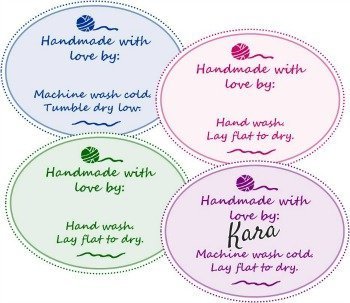
If you’re giving a handmade item as a gift, consider attaching a care tag so the recipient knows how to wash and store it. You can use my free printable gift tags for handmade gifts to add a thoughtful finishing touch.
You can even attach the tag with a short length of the same yarn used for the project in case it’s needed for a future repair. And if your project has buttons, including an extra matching button is always a good idea!
How to Care for Knitted and Crocheted Items
The best way to care for crochet items and hand-knitted projects depends on the yarn fiber, construction, and any special embellishments. A little attention to washing, drying, and storage can help prevent stretching, shrinking, fading, and other damage.
Storing Knitted and Crocheted Items
Before putting handmade items away, make sure they’re clean and completely dry. Dirt, body oils, and moisture can contribute to damage during storage.
Fold sweaters, blankets, and other knitted or crocheted items rather than hanging them for long periods, since hanging can cause stretching and distortion.
For longer-term storage, choose a clean, dry location away from direct sunlight and excessive humidity. Breathable cotton storage bags or fabric-lined containers can be good options. Avoid storing delicate projects alongside items with exposed zippers, hooks, or other fasteners that might snag the stitches.
Natural fibers such as wool are particularly vulnerable to clothes moths. Keeping items clean, inspecting them periodically, and storing them in properly sealed containers when pest protection is needed can help prevent damage. Cedar and lavender may have a pleasant scent, but they shouldn’t be relied upon as the only protection against moths.
Washing Knitted and Crocheted Items
Before washing a handmade project, always check the yarn label for care instructions. Different fibers require different treatment, and even yarns made from the same type of fiber may have different washing requirements.
Acrylic and cotton: Many acrylic and cotton yarns are machine washable, but always check the label for recommended water temperatures and drying instructions.
Wool: Untreated wool often requires gentle hand washing to prevent shrinking and felting. Superwash wool has been specially processed to reduce felting, and some varieties are machine washable. Always follow the specific yarn’s care instructions.
Delicate fibers: Yarns containing silk, alpaca, mohair, or other delicate fibers may require special handling. When in doubt, consult the yarn manufacturer’s recommendations.
For items that can be hand-washed, use cool or lukewarm water as directed on the label and a gentle cleaning product appropriate for the fiber. Specialty wool washes, such as Soak or Eucalan, are options for projects whose care instructions permit their use.
Avoid vigorous rubbing, twisting, or wringing, which can stretch or distort the stitches.
Drying Knitted and Crocheted Items
After washing, gently press out excess water without twisting the fabric.
For items that require flat drying, lay the project on a clean towel, roll it up to absorb moisture, and gently press. Unroll the towel, lay the item flat on a fresh, dry towel or drying rack with a flat mesh surface, and gently reshape it to its original dimensions.
Allow the project to air dry completely before wearing or storing it.
Avoid hanging heavy, wet knitted or crocheted items, since the weight of the water can cause them to stretch. Only use a machine dryer when the yarn’s care instructions specifically allow it.
What If You Don’t Know What Yarn Was Used?
If you’ve received a handmade gift or inherited a knitted or crocheted item without a yarn label, take a cautious approach.
Avoid machine washing or tumble drying until you know more about the fiber. If the item is especially delicate, valuable, or has sentimental significance, consider consulting a textile-care professional before cleaning it.
Understanding Laundry Care Symbols
Yarn labels often include laundry care symbols that tell you how an item should be washed, dried, ironed, or professionally cleaned.
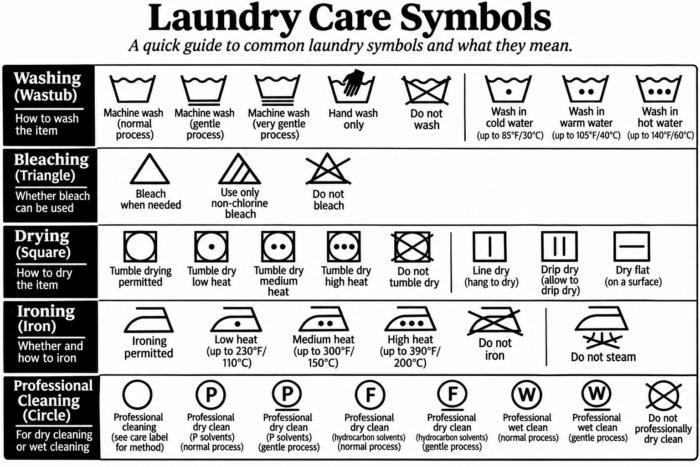
Not sure what the symbols mean? Visit my Laundry Care Symbols Chart and Guide for a helpful reference to common washing and fabric-care instructions.
Handmade Knit and Crochet Gift Ideas
There’s something special about giving a handmade gift, especially when you’ve put time and care into every stitch! Whether you’re making something cozy, practical, or just for fun, these free crochet patterns are lovely choices for gifting.
- Crochet Washcloth and Bath Mitt Set – Pair this practical cotton set with a favorite soap or bath product for a thoughtful spa-inspired gift.
- Scarflette Crochet Pattern With Scalloped Edging – A cozy accessory with a pretty decorative edge that makes a lovely gift.
- Pretty Little Felted Purse Pattern – A sweet handmade purse that’s perfect for gifting. Just remember that felted wool requires special care!
- Crochet Gift Card Holder Patterns – Add a personal, handmade touch to gift cards for birthdays, holidays, and other special occasions.
For even more inspiration, browse my collection of Crochet Gifts You Can Still Make in Time.
And don’t forget to include one of my free printable gift tags with care instructions so your recipient knows how to keep their handmade gift looking its best!

Love all your tips and tricks…thank you for sharing!
Great tips. Thank you for linking to Totally Tutorial Tuesdays.
Jessica
I have been told never put clothing in plastic because it can’t breath and it can damage the material .So I just put my sweaters in my dresser drawer. Your information is so helpful, Thank-you. From; Fran.
Jessica,
I have two crochet items (ones a bedspread and a table cloth)that were made back in 1917, by my great-grandmother. They have been stored in boxes wrapped with tissue paper. I would like to store them so I’m be able to pass them down to my children or grandchildren.
I found this under caring for crocheted items and I also have a bedspread and table cloth that was made years ago by my mother-in-law and I want to save it. I’ve had it wrapped in tissue and stored in a cardboard box which is pretty torn up. What kind of box (plastic or ???) to store them in.
Jessica,
I have two crochet items (ones a bedspread and a table cloth)that were made back in 1917, by my great-grandmother. They have been stored in boxes wrapped with tissue paper. I would like to store them so I’m be able to pass them down to my children or grandchildren.